Why Timely Auto Glass Repair Can Save You Money and Ensure Safety
Addressing auto glass repair in a timely manner is vital for ensuring both safety and cost savings. Minor chips can escalate into significant cracks, leading to expensive replacements. Moreover, a damaged windshield can obstruct visibility, elevating the danger of collisions. Being aware of the risks associated with overlooking these concerns can encourage drivers to respond promptly. However, the decision to repair or replace is not always straightforward. Which factors ought to shape this decision?
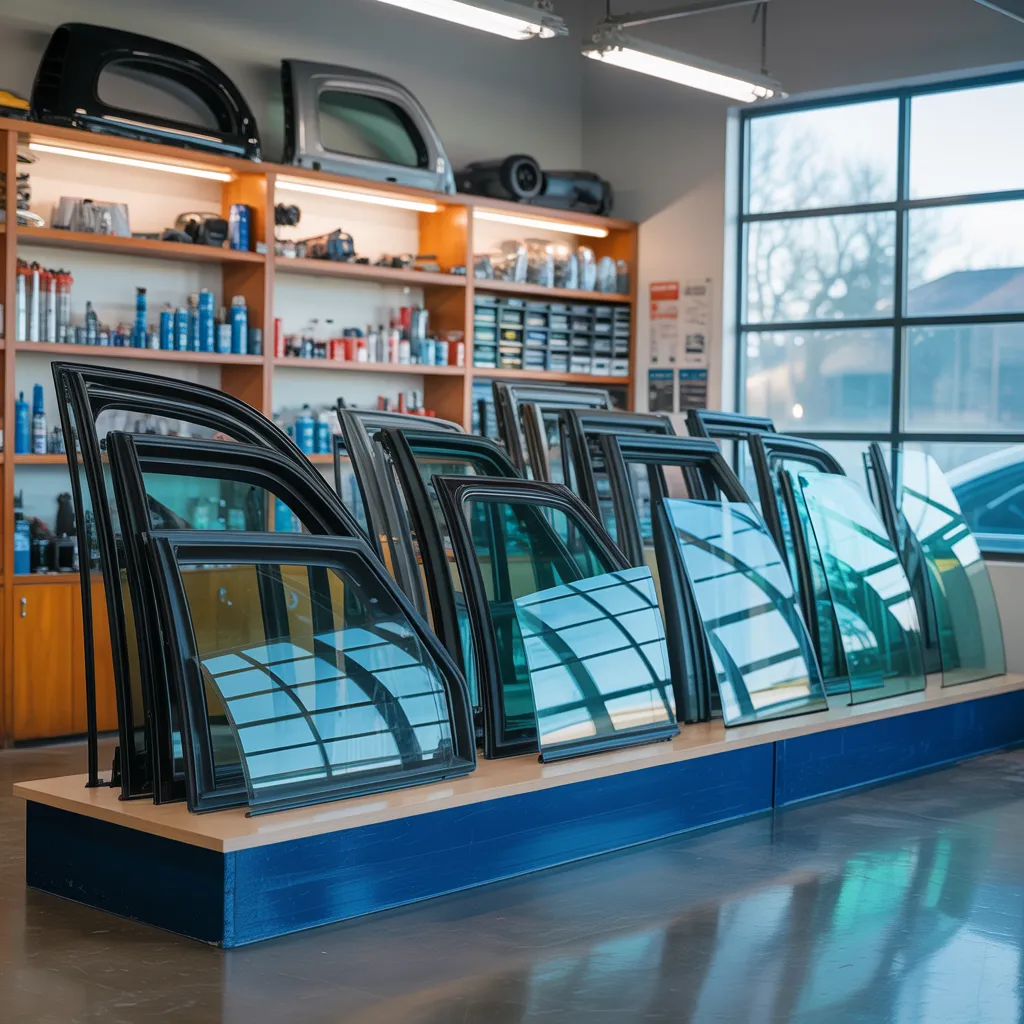
Why Putting Off Auto Glass Repairs Can Cost You Big
Overlooking auto glass damage might appear to be a trivial concern, but it can lead to major complications. Many vehicle owners underestimate the impact of cracks or chips, believing they pose no immediate threat. However, neglecting these issues often results in compromised structural integrity, which can undermine the vehicle's general safety. A compromised windshield could be unable to deliver proper support during a crash, increasing the risk of injury. Additionally, small damages can worsen over time due to temperature fluctuations or road vibrations, resulting in more significant repairs that carry higher costs. Insurers may additionally enforce steeper deductibles for extensive repairs, making early intervention essential. In the end, overlooking auto glass damage not only threatens safety but may also generate financial strain that could have been prevented with prompt repairs. Prioritizing auto glass maintenance guarantees a safer driving experience and minimizes unnecessary costs in the long run.
How Small Chips Can Turn into Serious Repairs
Small chips in auto glass may seem insignificant at first, but failing to address them can lead to bigger complications. With time, these small imperfections can result in expensive replacements and potential safety risks. Addressing small chips promptly can prevent extensive repairs and save drivers money in the long run.
Neglecting Minor Damage
A seemingly insignificant crack in a windshield can trigger a series of expensive repairs if ignored. At first, small damage may seem insignificant, but environmental conditions including heat, cold, and humidity can intensify the damage. As time passes, these minor chips can grow into significant cracks, undermining the windshield's strength and stability. This not only increases repair costs but also heightens safety risks for the vehicle's occupants. Ignoring such minor damage can lead to more extensive, inconvenient repairs that may require complete windshield replacement. Therefore, treating even the tiniest chips without delay is critical to avoiding more serious issues and guaranteeing long-term safety and cost efficiency.
Expensive Replacement Hazards
Failing to address minor chips can lead to unforeseen expenses for full replacement. What could initially look like a trivial flaw can compromise the structural integrity of the windshield, causing cracks to spread rapidly. Increased stress from temperature changes, road vibrations, and minor collisions alike can intensify these imperfections. When the deterioration advances, the only feasible course of action may become a complete windshield replacement, which is substantially pricier than a basic repair service. Moreover, insurance policies often cover repair costs more favorably than replacements, making timely intervention financially prudent. At the end of the day, addressing minor chips promptly not only protects the automobile's value but also ensures the well-being of its passengers by maintaining ideal visibility and structural support.
Safety Hazards of Cracked Windshields
While many drivers may overlook the critical nature of a damaged windshield, the reality is that such damage presents significant safety risks. A crack can obstruct a driver's view, greatly increasing the risk of accidents. Even slight damage can affect sight lines, making it difficult to see pedestrians, traffic signals, or other vehicles.
In addition, in the case of a collision, a cracked windshield could undermine the structural integrity of the vehicle. Windshields are built to support the roof during accidents; a fractured windshield can fail to provide this critical support, elevating the probability of serious harm.
Additionally, airbags depend on the windshield for appropriate deployment. If a crack develops, the airbag may fail to deploy correctly, further endangering occupants. In the end, addressing windshield damage quickly is essential to secure both driver and passenger safety on the road. Ignoring such issues can lead to severe consequences that far exceed the cost of prompt repairs.
Repair or Replace Your Windshield?
Figuring out whether to repair or replace a windshield can prove to be a tough call for many drivers. Multiple factors impact this determination, including the type, size, and location of the damage. Small chips and cracks that are typically under six inches in length can often be fixed without compromising overall safety. Nevertheless, if the damage is significant or situated within the driver's line of sight, a full replacement may be required to ensure optimal visibility.
In addition, the age and condition of the windshield are important factors; older windshields may be more susceptible to further damage. Insurance coverage can also affect the decision, as some insurance plans may cover repair costs while other plans may encourage replacement. At the end of the day, motorists must consider the upfront costs against long-term implications and potential safety risks. Choosing wisely can improve automobile safety and maintain the vehicle's overall integrity.
Picking the Right Auto Glass Repair Service
After deciding whether to repair or replace a windshield, the next step involves selecting the right auto glass repair service. It is essential to evaluate several factors to guarantee quality and reliability. Initially, reputation serves as an important element; companies with strong customer reviews and testimonials typically reflect dependability. Furthermore, verifying certifications and memberships with industry organizations can offer confidence in professional standards.
Another crucial factor is the offering of warranties on repairs. A service that provides a warranty demonstrates confidence in their work and a pledge to meet customer expectations. Furthermore, the use of high-grade materials is important; opting for a service that uses original equipment manufacturer (OEM) glass ensures reliability and protection.
Additionally convenience must not be ignored. Mobile repair services can reduce time and effort. By comprehensively reviewing these factors, people can arrive at an educated decision, thereby protecting their car's safety and performance.
The Enduring Benefits of Quick Repairs
Prompt repairs to auto glass not only enhance safety but also provide significant long-term benefits for vehicle owners. Promptly handling chips and cracks stops further deterioration, which could result in more extensive repairs and higher costs. By preserving the structural integrity of the glass, owners are able to sidestep structural complications resulting from weakened glass, providing a safer and more secure driving experience.
Additionally, timely restoration work can greatly benefit the automobile's resale value. A properly cared for automobile with unbroken glass is more attractive to interested buyers, reflecting responsible ownership. Insurers frequently prefer prompt fixes, which can bring about reduced insurance costs and less frequent claims over time.
Furthermore, addressing auto glass issues swiftly can improve clarity and comfort while driving, lowering the chance of collisions due to impaired visibility. When all is considered, prioritizing quick repairs encourages enduring cost savings and enhances overall vehicle safety.
Questions We Are Often Asked
What Are the Signs That My Windshield Needs Repair?
A windshield might require attention if chips or cracks develop, especially if these obstruct the driver's view. Moreover, significant damage or stress fractures can compromise structural integrity, requiring immediate attention to guarantee safety and functionality.
Will My Insurance Pay for Auto Glass Repairs?
Many car coverage plans cover glass repair services, often with little to no deductible. Policyholders are advised to examine their individual policy details as well as get in touch with their insurance company to verify the extent of their benefits related to auto glass repairs.
What Auto Glass Types Are Eligible for Repair?
Multiple kinds of automotive glass are repairable, including front windshields, side windows, and rear windows. Chips, cracks, and scratches are commonly repairable, based on their size and placement, protecting vehicle integrity and ensuring driver safety.
What Is the Duration of an Auto Glass Repair?
An auto glass repair typically takes 30 minutes to two hours on average, based on the severity of the damage and the specific glass being repaired. Variables including the technician's experience and the shop's current workload can further impact the duration.
Can I Drive With a Damaged Windshield?
Operating a vehicle with a cracked windshield is strongly here discouraged. It can obstruct vision, increase accident risk, and may lead to legal penalties. Prioritizing safety and addressing repairs promptly is necessary for maintaining proper vehicle safety.